
How LLM SEO Services Transform Traditional SEO in 2026
Search engine optimization keeps on evolving over time. In 2026, it’s not just a basic update but a complete shift in how people search on the internet and how brands get discovered.
Traditional SEO worked by using keywords and links to rank pages, but now LLMs help content connect better with both readers and search engines.
AI-powered tools like ChatGPT, Google AI Overviews, Perplexity, and Gemini are now answering questions directly. Users don’t click ten blue links; they now read AI-generated summaries and make decisions before they even land on a website.
For Indian businesses and digital marketers, this is not a future problem – it is a current one. This is where LLM SEO services come in.
What Are LLM SEO Services?
LLM SEO stands for Large Language Model Search Engine Optimization. It’s the process of optimizing your overall content so that AI systems can understand, trust, and cite your brand in their responses.
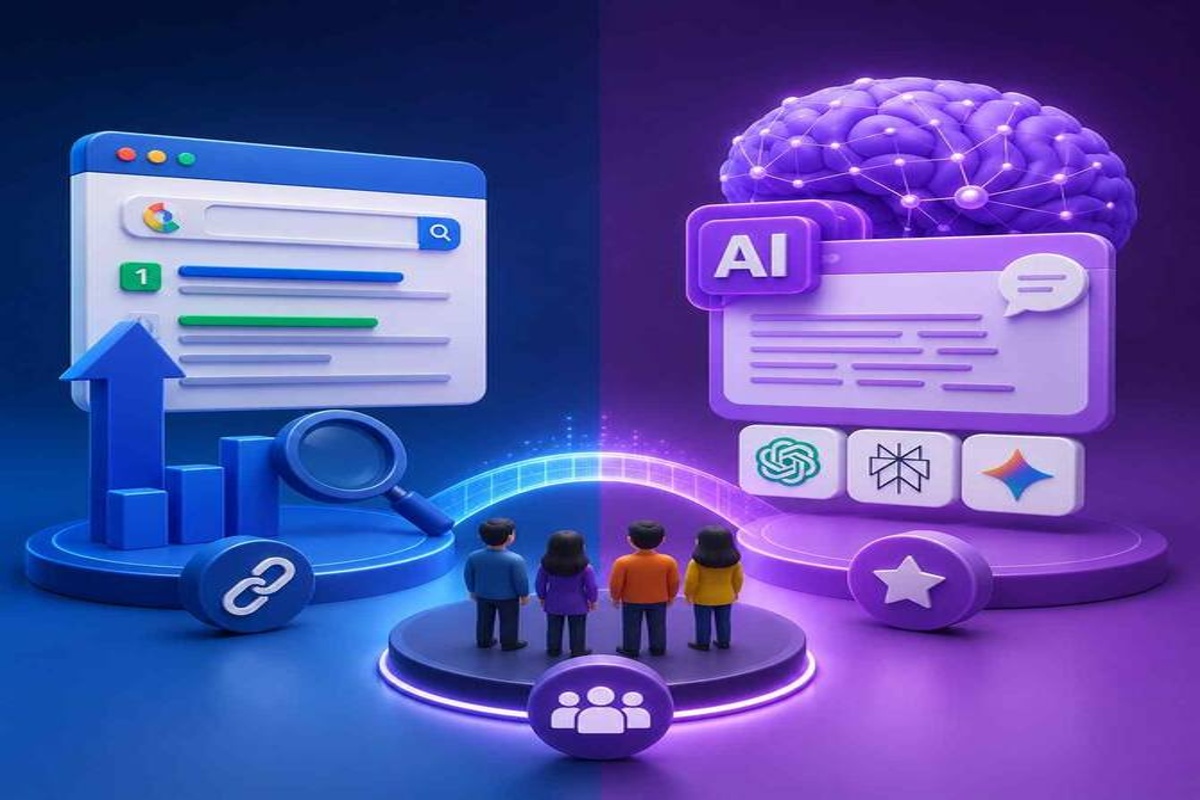
Traditional SEO focused on ranking on Google’s first page, while LLM SEO services focus on being referenced inside AI-generated answers on ChatGPT, Perplexity, Google AI Overviews, and similar platforms.
The core difference is that Traditional SEO is used to rank higher in search results, while LLM SEO is used to get cited and recommended in AI answers.
In 2026, both are important, but ignoring LLM SEO means you’re losing a growing share of visibility where more users are spending their time.
Why You Need to Go Beyond Traditional SEO
Most people think that Traditional SEO is dead today, but it is incomplete.
Here is what the important data says:
- 80% of users now use AI-powered summaries at least 40% of the time.
- 68% of users use LLMs to research and compare options before making any decisions.
- AI search audience converts at 4.4x the rate of traditional organic search visitors
- The AI search market is growing at 14% annually and is expected to reach beyond $100 billion by 2032
With more than 900 million internet users and regular use of AI tools like ChatGPT and Gemini, the shift to AI search is happening quickly. The common users include professionals and students: most of the young people.
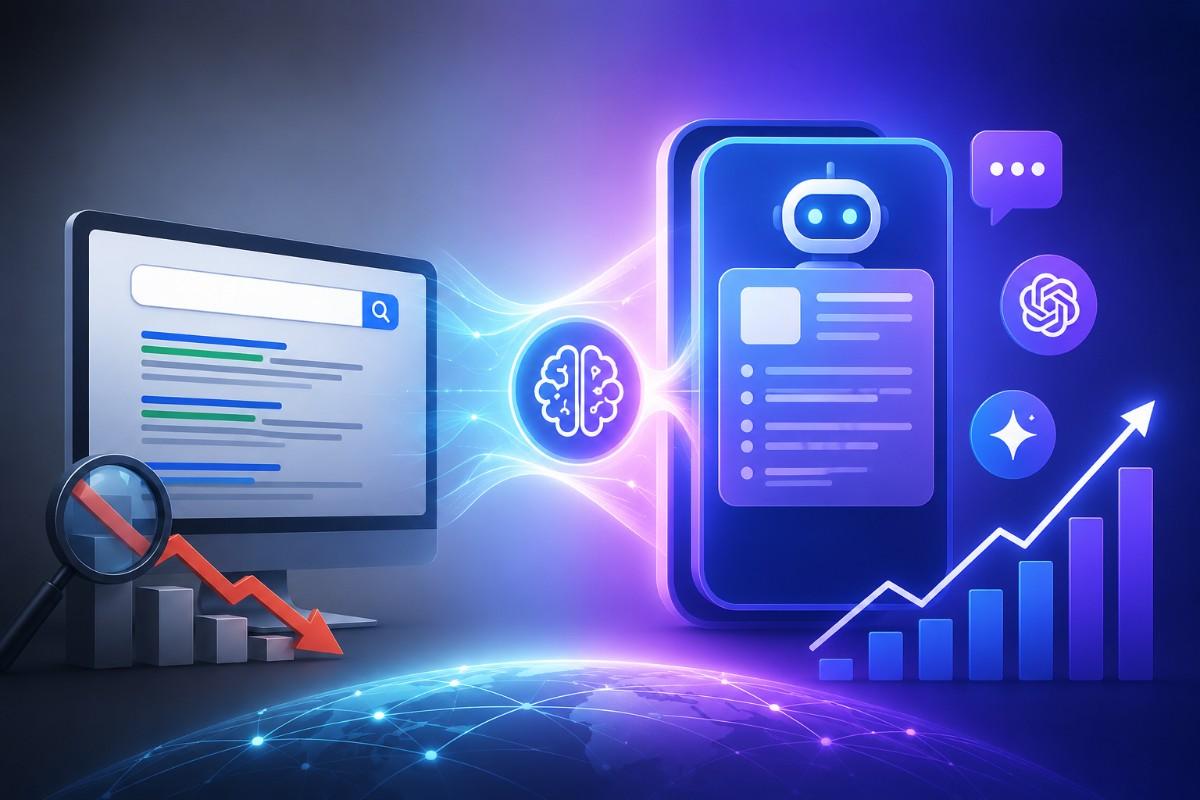
Indian startups, D2C brands, and service-related businesses that rank well on Google are already observing fewer organic clicks as AI Overviews answer the questions before users scroll.
Businesses reported a 20% year-on-year drop in organic traffic in 2024 due to AI Overviews replacing traditional clicks. Indian businesses in competitive niches such as finance, healthcare, and education are on the same path.
How does LLM SEO Change Content Optimization?
1. Keywords Are Not the Primary Signal
LLMs never rank your content based on keyword density; they evaluate overall context, content clarity, and the credibility of the information. If your page is stuffed with “best digital marketing agency India” 20 times, ChatGPT or AI tools won’t rank your content.
On the other hand, if a page explains clearly what digital marketing involves, who it helps, and why it works, in a structured and trustworthy way, then it will get cited by AI.
The shift has happened from keywords to intent. Your content needs to answer:
- What is this about?
- Who is this for?
- Why should an AI trust this source?
2. Answer-First Content Gets Cited by AI
LLMs scan your content for clear, extractable answers. Research has found that ChatGPT cites pages ranked at positions 21 or higher in traditional search results nearly 90% of the time. It means you don’t need to be in the top three positions to get AI visibility. You need to write your content clearly and make sure it’s well-structured.
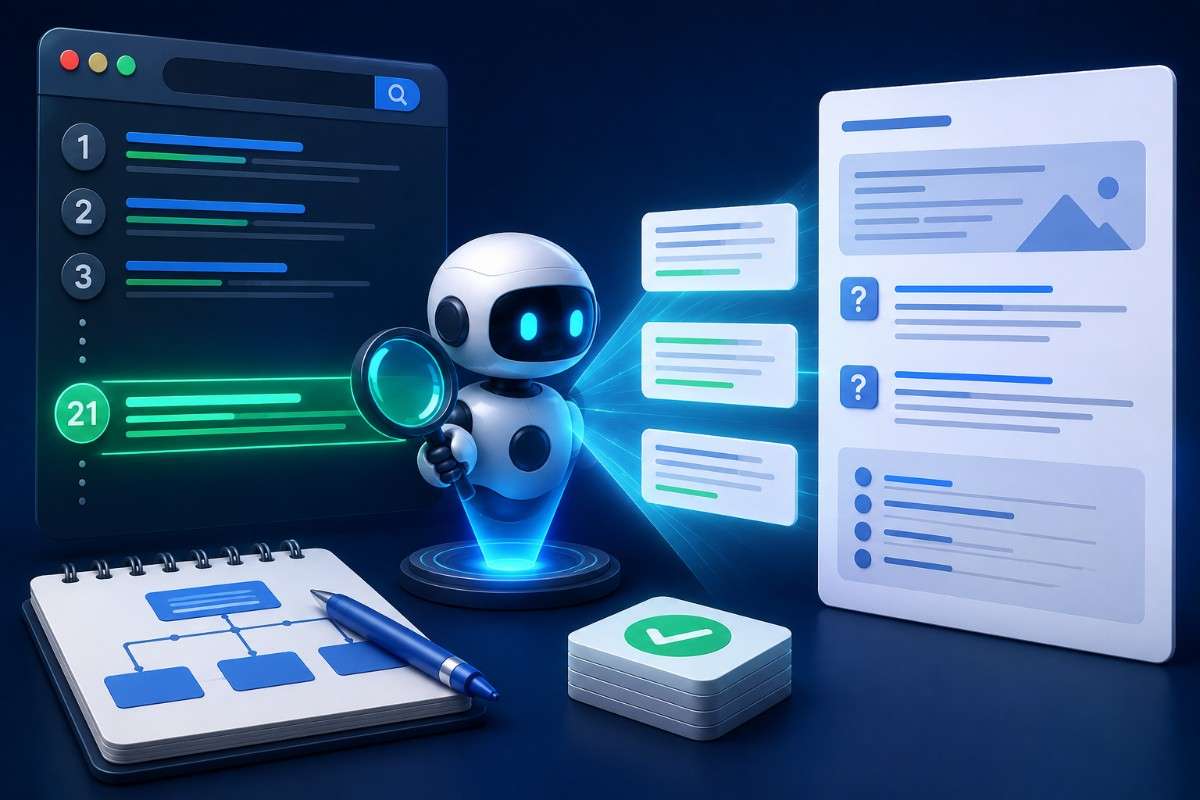
This is the content gap most Indian agencies and businesses are not filling yet. Long, keyword-stuffed blog posts do not get cited. Short, clear, well-organised answers do.
So what can you do? You need to write content that directly answers the question in the first paragraph. Use H2S and H3S as question-answer pairs and include structured FAQs at the bottom of every post.
3. Schema Markup and Structured Data are Important
AI crawlers focus on structured data to understand your content because they can’t understand content that lacks clarity and structure. FAQPage schema, HowTo schema, and Article schema help LLMs break down complex information, such as what your page is about, and extract answers.
Most Indian business websites still don’t use schema markup properly, which is an immediate gap to close, especially for businesses targeting featured snippets and AI Overviews.
4. Brand Mentions Matter More Than Backlinks
Traditional SEO was built on backlinks, while LLM SEO shifts the weight toward brand mentions and brand sentiment across the entire web. It doesn’t care whether those mentions are linked or not.
AI models look at how frequently and positively your brand is discussed on forums, review sites, social platforms, Reddit, Quora, and news portals.
For Indian brands, this means:
- Being mentioned in industry roundups and reputable publications.
- Building presence on platforms like Quora, where Indian users often ask questions
- Managing your reputation on Google Reviews, Trustpilot, and industry-related directories
5. Conversational Content Beats Keyword Content
Traditional SEO targeted queries like “best CRM software India.” LLM SEO needs to address queries like “What CRM should a 10-person B2B sales team in India use if they are on a tight budget?”
This is what conversational content means — writing that addresses real, specific, nuanced questions rather than generic search phrases. AI systems are better at parsing natural language than short queries, and they reward content that sounds helpful and human.
How LLM Services Help Indian Digital Marketers and Business Owners
If you run a digital marketing agency, manage content for clients, or own a business trying to grow online in India, you need both SEO and LLM optimization running together.
Traditional SEO builds the foundation – a crawlable site, quality content, keyword targeting. On the other hand, LLM SEO builds a visibility layer on top to ensure that when someone asks ChatGPT or Gemini about your category, your brand is part of the answer.
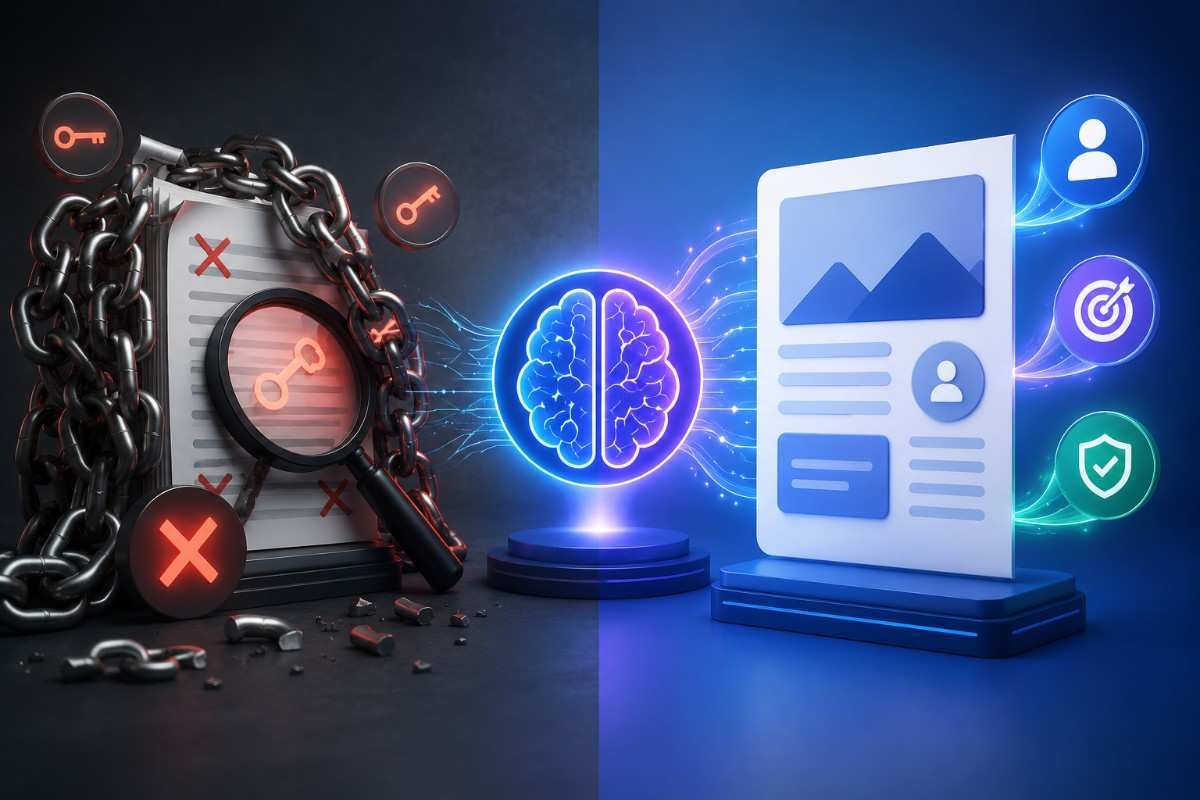
Businesses that treat SEO as a ranking-only game will lose ground over the next 12–24 months. While the ones that will grow are those who start thinking about content as something AI systems read, evaluate, and cite – not just something Google indexes.
So, how to start in simple steps?
First, audit your top 10 pages. Ask yourself whether they clearly answer one specific question in the first 100 words? If not, then you need to rewrite them with a direct answer at the top.
Second, add FAQ schema to every important page. You need to use real questions your customers ask, not just keyword-optimised phrases.
Third, start tracking where your brand appears in AI responses. Search for your product or service on ChatGPT, Perplexity, and Google AI Overviews. If your competitors are visible and you are not, that is the gap LLM SEO helps close.
Will LLM SEO Replace Traditional SEO in 2026?
No. Not in 2026 and likely not for several years after that because Google still drives the majority of search traffic in India. Traditional SEO factors like technical optimization, quality content, link building, and page speed are still essential.
LLM SEO only adds a second layer of optimization for the growing share of discovery happening inside AI tools. In short and simple words, traditional SEO help you get ranked while LLM SEO gets you recommended. Both are necessary for a complete digital marketing strategy.
Frequently Asked Questions about LLM SEO Services
What is the difference between LLM SEO and traditional SEO?
Traditional SEO optimizes content for rankings on search engines while LLM SEO optimizes content for AI systems that generate direct answers like ChatGPT, Perplexity, and Google AI Overviews.
Do Indian businesses and companies need LLM SEO services in 2026?
Yes. AI search adoption in India is accelerating, especially for professionals, students, and B2B buyers. If your competitors are recommended by AI tools but you aren’t, you’re losing visibility in AI.
Does LLM SEO mean restricting relevant keywords?
No. Keywords are still important for traditional SEO in 2026. However, LLM SEO adds an additional layer focused on intent, clarity, and content structure, so your pages can be useful for both Google and AI systems.
How do AI tools decide which brands should be cited in an AI overview?
AI models evaluate content clarity, topical authority, structured data, brand mentions on trusted sources, and consistency of information across multiple content pieces. Brands that publish helpful content consistently are more likely to be cited.
What format of content works well for LLM SEO?
Long-form guides, FAQ sections, comparison guides, and expert-authored articles perform well for LLM SEO systems. The key is that the content should directly answer specific questions in a clear, organised way.
Is LLM SEO costly for small businesses in India?
No. Many LLM SEO improvements, like adding schema markup, restructuring content to provide clear answers, and adding FAQ sections, are not costly but high-impact. In short, you don’t need a large budget to start LLM SEO services.
How much time does it take to get visible results from LLM SEO?
It might take 30 to 90 days for initial visibility changes in AI citations and brand mention tracking. However, you’ll be able to see actual results within 3 to 6 months.