
How to Grow Your Business with SEO: Effective Strategies for Success
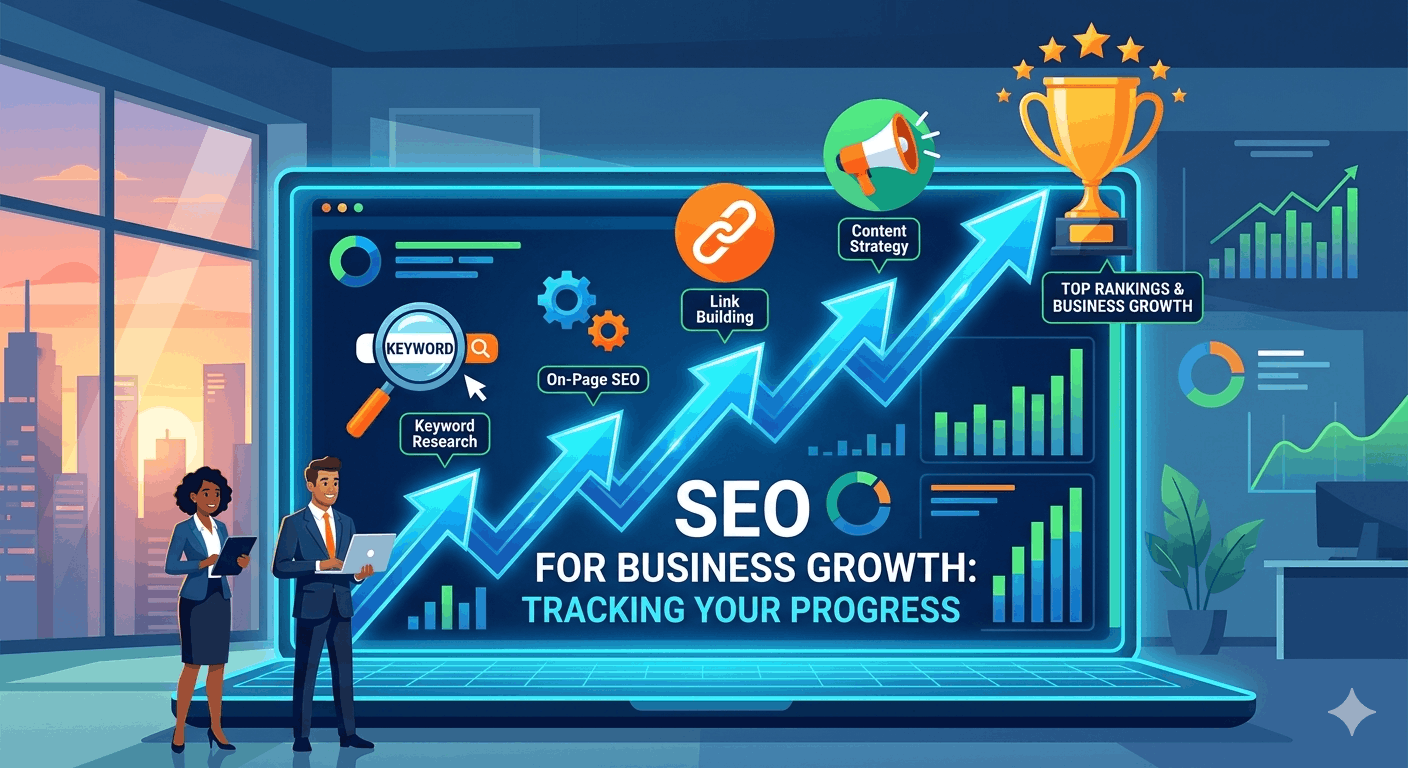
In today’s digital world, where every business works smarter to rank on Google or an AI overview, Search engine optimization (SEO) has become an important factor for business growth.
Request a Call back Now
Yes, SEO: three simple letters hold the key to online growth today. Whether you’re a small business owner, freelancer, or simply a startup, SEO can drive the right traffic, generate leads, and boost sales without wasting a lot of money on paid advertising.
SEO services can help your site get noticed by your potential customers when they need it the most. In this blog post, you’ll explore effective SEO strategies to build a strong online presence, stand out from the competitors and grow your business.
Why do you need SEO for Business Growth?

Growing your business with SEO involves increasing organic visibility to drive targeted traffic, leads, and sales. Paid advertising requires continuous investment, while, on the other hand, SEO offers a long-term solution that grows with your business.
When you rank higher in search engines like Google, you build credibility and trust, which can result in higher conversion and revenue.
Key SEO strategies include:
- Comprehensive keyword research
- Creating high-quality content
- On-page optimization and building backlinks
- Improving local SEO with Google My Business Profiles
Apart from these, continuous monitoring of analytics ensures your SEO efforts are aligned with your business goals and objectives. Let’s dive into these strategies to learn how to grow your business with SEO.
1. Doing an In-Depth Keyword Research
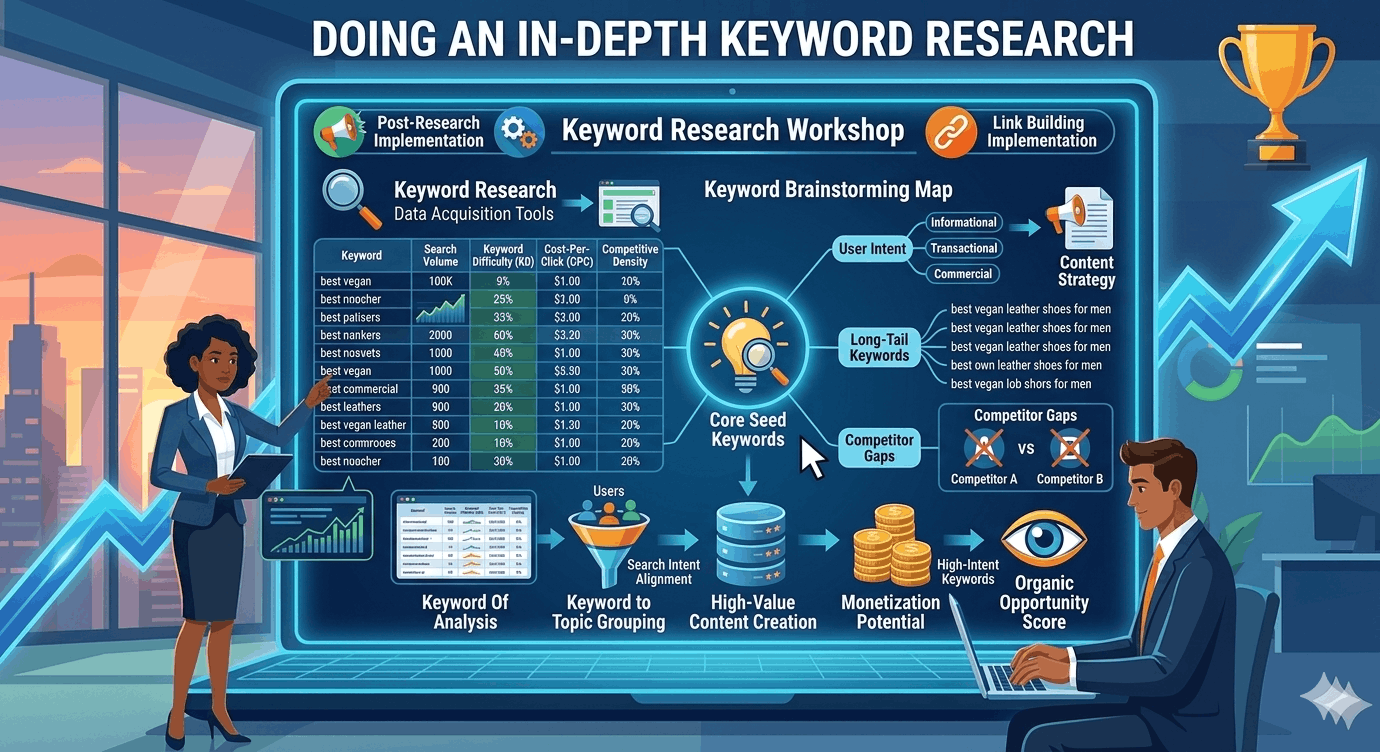
Keyword research is the base of SEO, because it helps you identify the terms your audience uses to find services like yours. It means with the help of the right keywords, you’re more likely to connect with potential customers when they search for solutions.
Why is Keyword Research Important?
- Target the right audience: You can use tools like Google Keyword Planner to find low-competition, high-intent keywords that will attract users who are actively searching for your services.
- Increase organic traffic: Targeting specific long-tail keywords can help your website rank for niche queries, increasing high-quality traffic.
How to Conduct Keyword Research:
- Identify core topics related to your business.
- Use the best keyword research tools to find relevant keywords.
- Look for keywords with low competition but high search volume.
- Focus on local SEO by including location-specific terms such as “SEO services in India” or “SEO company in [City]”.
2. Create High-Quality, Valuable Content
In SEO, content is the king. When you create valuable content that addresses customer pain points, you’re more likely to build trust. When you solve their problem, the audience will engage with your content and share it, which can also improve your search rankings.
Additionally, if you want to attract traffic to your site and grow your business through SEO, you need to understand search intent from the user’s perspective and create content accordingly.
Types of Content You Can Create
- Blogs: Share helpful information, tips, and case studies related to your industry.
- Guides and Whitepapers: Offer in-depth insights of relevent topics aligned to your audience.
- Infographics: Create visually appealing content that explains complex topics.
Why is Quality Content Important?
- Builds trust: Well-researched content positions your brand as an authority.
- Engages visitors: Content that answers questions and provides value keeps visitors on your site longer.
- Improves SEO: High-quality content is more likely to be shared and linked, boosting your SEO.
3. On-Page SEO Optimization
On-page SEO refers to website elements that can be optimized for search engines. When your webpages are properly optimized, it will help search engines to understand and rank your content.
Here are Essential On-Page SEO Elements:
- Descriptive URLs: Make sure you use short, keyword-rich URLs that properly describe the page’s content.
- Page Titles: Create clear and compelling titles with primary keywords at the beginning.
- Meta Descriptions: Write high-quality meta descriptions that summarise the page content and entice users to click.
- Image Alt Text: Include descriptive alt text for all images to help search engines index them.
Best Practices of On-Page SEO:
- Fast Loading Page Speed: A fast-loading website boosts user experience and SEO rankings.
- Mobile Optimization: This guarantees that your website is mobile-friendly and caters to users on various devices.
- Internal Linking: Internal linking connects your content and keeps users engaged while promoting your content at the same time.
4. Leverage Local SEO for Business Growth
For businesses that target local customers, local SEO is important Optimizing your Google Business Profile and ensuring consistent NAP (Name, Address, Phone Number) information across online directories is essential if you want to appear in local search results and “near me” queries.
Why Local SEO Matters Today:
- Increases visibility in local searches: Local SEO services help your business appear in searches when people look for services in your area.
- Improves customer trust: Consistent NAP data across platforms makes sure that customers can find you easily.
- Enhances credibility: Positive reviews on trusted platforms like Google and Yelp increase trust in your brand for customers.
Local SEO Tips:
- One of the most important local SEO tips includes optimising your Google Business Profile with accurate business hours, location, and service details.
- You need to encourage customers to leave reviews to increase credibility and visibility.
- Make sure your business is listed in relevant online directories.
5. Build Authoritative Backlinks
Backlinks, or inbound links from other reputable websites, help improve your website’s domain authority. Quality backlinks signal to search engines that your content is trustworthy and valuable.
How to Build Backlinks for your Business:
- Guest Blogging: Write guest posts on relevant industry blogs to showcase your expertise and include links back to your site to improve traffic.
- Create Shareable Content: Create informative content like infographics, whitepapers, how-to guides and useful blogs that people want to reference.
- Manual Outreach: Reach out to relevant websites or influencers through email or social media platforms for link-building opportunities.
Why Backlinks Are Important:
- Backlinks increase brand authority: Backlinks from reputable sites improve your website’s credibility.
- Building backlinks also boosts SEO rankings: The more quality backlinks you have, the higher your website ranks on Google.
- Backlink strategy generates referral traffic: Backlinks bring visitors from other websites and drive targeted traffic to your site.
6. Monitor and Analyze SEO Performance
Performance measurement is necessary because it will enable you to determine that you have implemented good SEO practices in your business. There are several SEO tools that can help you measure the performance of your website, such as Google Analytics and Google Search Console. There are multiple ways to measure and improve your SEO rankings.
Key SEO Metrics to Monitor:
- Traffic and Conversion Rates: You need to track the number of visitors and conversions from organic search.
- Keyword Rankings: Analyse how your target keywords are ranking and identify new opportunities.
- Bounce Rate: A high bounce rate means your visitors are leaving quickly. It suggests that you need to improve engagement or user experience.
Use Analytics to Adapt Your Strategy:
- Stay updated on changes in traffic and rankings to spot issues or areas of improvement.
- Use the data to adjust your SEO strategy and ensure they align with your business goals.
Conclusion
Growing your business with SEO can be the most cost-effective way to increase visibility, drive traffic, and ultimately boost sales. By implementing effective SEO strategies like comprehensive keyword research, creating valuable content, optimising your website, and building backlinks, you can establish a strong online presence.
Remember, SEO is a long-term strategy, but with consistent efforts, you can achieve success and stay ahead of the competition. Many small businesses are already achieving success by improving their ranking with AI SEO services.
If you want to grow your business with SEO or are looking for an SEO company in India, get in touch with us at isearchsolutuion.com. Let us help you achieve sustainable growth through proven expert SEO strategies.
FAQs
How long does it take to see results from SEO?
SEO is a long-term strategy which can take around 3-6 months to see visible improvements in rankings and traffic.
Do I need an SEO expert to grow my business?
Yes, for a successful digital growth of your business, you need an SEO expert who can make your site visible to the right customer. While DIY SEO is possible, hiring an SEO professional ensures that you are using the proven expert SEO practices and getting the most out of your efforts.
How can I improve my local SEO?
If you want to improve your local SEO, you need to optimize your Google Business Profile, ensure consistent NAP data, and encourage customer reviews to improve your local SEO rankings.
What are the benefits of SEO for business?
SEO helps your business attract high-quality traffic through organic search and boost your brand visibility. It helps your site or content appear ahead of competitors when your customers search. While SEO is a time-consuming process, it delivers long-term growth and reliable results once you implement the smart SEO strategies.