
10x Your Website Traffic with These Top 7 SEO Techniques
If you’re struggling to increase traffic, no matter how many blogs you publish on your website, don’t worry – millions of websites face the same issue. The real culprit is not the content, but something else you might be ignoring right now.
Most people optimize for old-school Google rather than for how search actually works today in 2026. According to the best SEO company in Noida, you need to apply the right techniques to the pages that matter and then optimize for both traditional SERPs and AI-driven search, such as Google AI Overviews and ChatGPT.
Below are 7 proven SEO techniques that can realistically help you 10x your organic traffic, starting with your highest-intent pages.
1. Optimize Your Money Pages First
Before writing a single new blog post, you need to fix the pages that already have commercial intent, such as your homepage, service pages, and location pages.
Match search intent in the first paragraph
Google (and AI search engines) reward pages that answer the query instantly in clear words. Clearly write your offer and who it’s for within the first 100 words. Instead of writing a long introduction, clearly get to the point.
Add local SEO signals
If you target a specific city, include its name in your content like “SEO company in Jaipur or Delhi”. Add a Google Map to your contact page to improve your chance of ranking for local ( city-specific search intent) and “near me” searches that generic pages often lack.
Add proper schema markup
Local business, service, and FAQ schema help your pages qualify for rich snippets and review stars, which improve click-through rate even without a ranking change.
2. Publish Case Studies that Prove Results
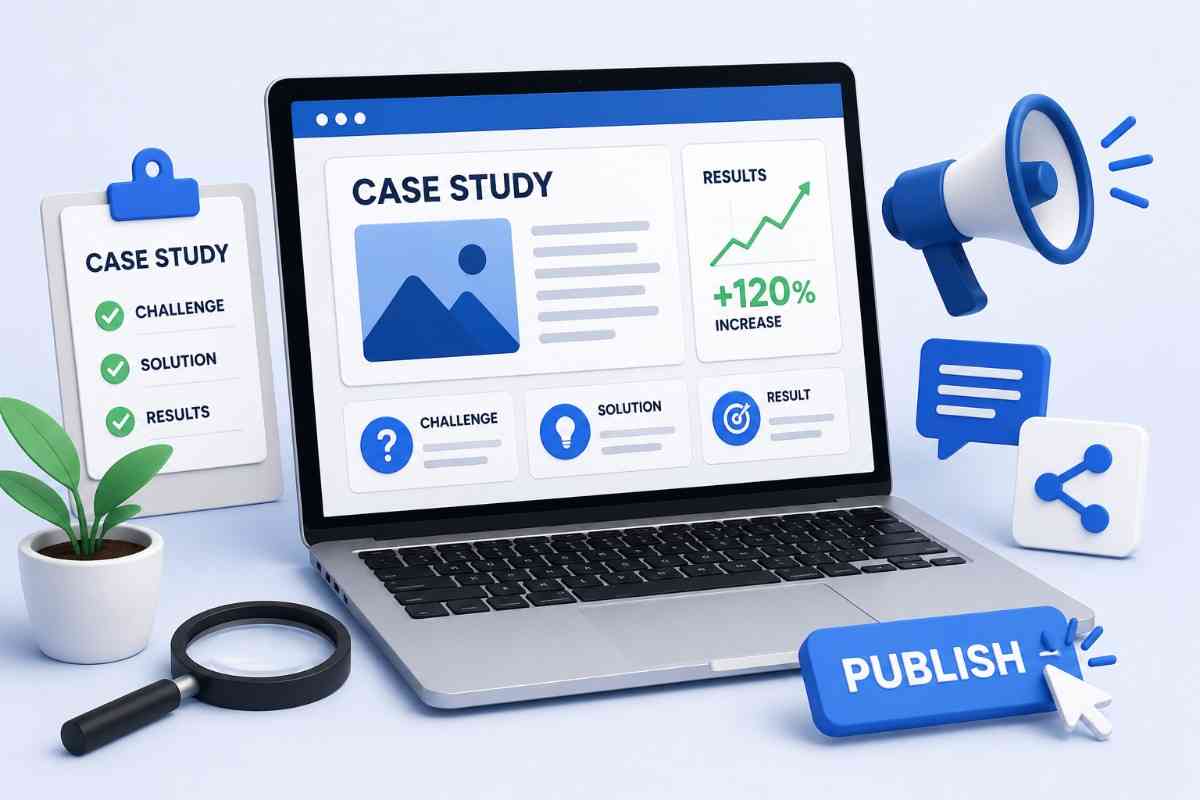
Generic “best SEO companies in Noida” pages don’t convert, and they don’t rank for the specific, high-intent searches serious buyers use.
- Structure each case study around the problem, the exact strategy you executed, and the percentage increase in traffic or revenue.
- Target long-tail queries like “SEO case study for [industry]” because these are exactly what high-ticket clients search before hiring an agency.
- Submit new case studies to Google Search Console immediately after publishing to speed up indexing.
3. Build Authority Through Strategic Backlinks
Search engines still depend heavily on backlinks and topical authority to judge trust factor – this hasn’t changed with AI search; it’s become more important for GEO (Generative Engine Optimization).
Create a link magnet
Build one exceptional resource for your users, such as a downloadable guide, an industry glossary, or original survey data that other sites in your niche naturally want to reference and link to.
Answer specific, searchable questions
Posts like “how to fix duplicate content” or “how to recover from an SEO decline” rank higher because they solve a general problem, and they’re exactly the kind of specific answers that AI Overviews extract from.
4. Update Old Content Instead of Only Writing New
Most people focus more on publishing new content. Refreshing an existing top-performing post often takes less time than writing the content from scratch. And more often, search engines respond well to it. You can follow the steps below:
- Audit your best-performing blog posts and service pages every quarter.
- Update outdated stats, examples, and strategies.
- Fill content gaps by checking what subtopics competitors rank for that you don’t. Sites ranking #1 for a keyword typically rank for hundreds of related terms as well, because they cover the topic more comprehensively.
Do You Know?
An analysis of 50,000+ ecommerce pages found refreshed content delivered 268% organic click growth, compared to just 22% from new pages published in the same period.
5. Structure Content AEO and GEO
Most of the “10x your website traffic” or “how to increase your website traffic organically” guides don’t tell you about this. You need to structure your content for AI overview and answer engines in 2026, if you want traffic.
- Use a clear, direct-answer content format. Keep the paragraphs short, add numbered lists, and bold key terms.
- Add a dedicated FAQ section using real questions that people type into search and AI chat tools.
- Build topical depth with internal content clusters, since AI systems and Google both favor sites that cover entire subjects rather than just one article.
- Earn brand mentions even without a link. AI search tools like AI Overviews, Claude, Perplexity, Gemini, and ChatGPT weigh how often your brand is referenced across the web, not just backlinks.
6. Fix Technical and On-Page SEO
Publishing quality content doesn’t matter if your site is technically broken. It won’t show any results.
- Keep title tags under ~60 characters and use specific numbers or value propositions to boost click-through rate.
- Write meta descriptions that directly answer what the searcher wants to know.
- Monitor Core Web Vitals (LCP under 2.5s, INP under 200ms, CLS under 0.1) – page experience still influences how long visitors stay, which indirectly affects rankings.
- Clean up duplicate content and “zombie” pages that dilute your site’s authority and add no value.
7. Engage Where Your Buyers Are Already Asking Queries
Actively participating on Reddit, Quora, and LinkedIn threads where your clients ask for SEO help builds direct referral traffic, and the kind of cross-platform brand presence that AI search systems use to decide which website to recommend.
Final Thoughts
In 2026, SEO is not limited to just ranking your content on Google’s first page. To grow your website traffic, you need to create helpful content, improve high-performing pages, build authority, and optimize for both search engines and AI platforms.
Use tools like Google Search Console, Google Analytics 4, Screaming Frog, Ahrefs, Semrush, PageSpeed Insights, Rank Math, or Yoast SEO to identify issues and track your progress.
After all, small, consistent improvements will always bring better long-term results than chasing quick SEO tricks. Whether you’re looking for an SEO company in Jaipur or the best SEO company in Noida, these strategies apply to businesses of every size.
Try these top 7 SEO hacks today and measure the result over time. If you need help from SEO experts, connect with the iSearch Solution team – we’re ready to grow your business online!
Frequently Asked Questions
Q: What is the fastest way to increase website traffic?
Optimizing your existing high-intent pages, such as service pages, location pages, and top-performing blog posts, helps you achieve faster results than publishing new content. It’s because these pages already have some authority and are aligned with search intent.
Q: What is AEO and how is it different from SEO?
AEO (Answer Engine Optimization) focuses on content structure that AI tools like Google AI Overviews, Gemini, Claude, and ChatGPT can extract. When these AI tools understand your content, they cite your answers directly. On the other hand, traditional SEO focuses on ranking in the standard blue-link results.
Q: How often should I update old website content?
Review your top-performing pages every 3 months to see what’s working and what to improve. You can update statistics, examples, and any outdated strategy to keep the content valuable and relevant.
Q: Do backlinks still matter with AI search on the rise?
Yes. Backlinks are the core ranking factor, and unlinked brand mentions are equally important for visibility in AI-generated answers.
Q: What’s the easiest schema to implement for a local business?
Local business schema and FAQ schema are the easiest starting points – most CMS platforms (like Yoast or Rank Math for WordPress) let you add these without touching code.
Q: SEO or Google Ads: which one is better?
If you need website traffic in the long run, go for SEO. Google Ads works better for quick online visibility, grabbing attention and lead generation. However, you can use both for balanced growth.
Q: How do AI Overviews affect website traffic?
Users don’t click on websites because Google AI Overviews answer many questions directly on the search results page. This can reduce website traffic for informational content. If you want to stay visible, you need to create helpful content, answer users’ questions clearly, and build your website’s authority so AI systems can recommend your content.